After years of watching Clermont homeowners battle unexpected breakdowns, one pattern shows up again and again: most of the costly HVAC failures could have been prevented with a simple annual tune-up. In our experience, skipping maintenance doesn’t just make your system “work a little harder”—it accelerates wear in ways most people never see. Clermont’s heavy humidity, pollen-packed spring seasons, and long cooling cycles create a perfect storm that quietly strains your system long before any warning signs show up. In this guide, we break down the real, behind-the-scenes reasons why postponing an HVAC tune-up in Clermont can damage your system, what we’ve observed firsthand in local homes, and the proactive steps that can save you from expensive repairs and early system failure.
Quick Answers
HVAC Tune Up in Clermont
A yearly HVAC tune-up is essential in Clermont’s humid, high-demand climate.
It reduces wear caused by long run times and heavy pollen.
It improves cooling performance and lowers energy costs.
It helps prevent surprise breakdowns during peak heat.
Bottom line: In Clermont, a tune-up isn’t optional—it’s the easiest way to protect your system and keep your home comfortable year-round.
Top Takeaways
Skipping a tune-up increases wear in Clermont’s humid, high-demand climate.
Small issues (dirt, refrigerant loss, weak parts) turn into major failures.
HVAC accounts for nearly half of home energy costs—inefficiency gets expensive fast.
Routine maintenance improves lifespan, efficiency, and overall comfort.
A yearly tune-up is the easiest way to protect your system and your wallet.
How Skipping a Tune-Up Quietly Damages Your System
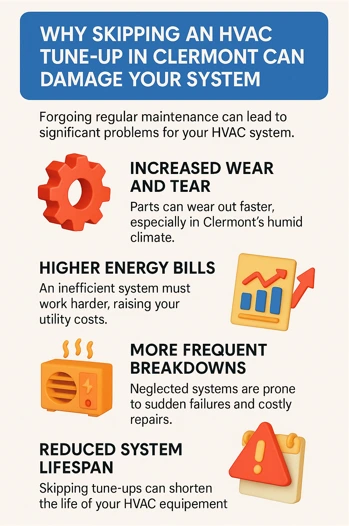
In Clermont’s heat and humidity, HVAC systems work harder and accumulate wear faster than most homeowners realize. When annual maintenance is skipped, small issues—like dirt buildup on coils, weakening capacitors, or low refrigerant—go unnoticed. Over time, these minor problems compound, forcing your system to run longer, hotter, and less efficiently. Based on what we’ve seen in local homes, this hidden strain is one of the leading causes of premature compressor failures and sudden summer breakdowns.
Clermont’s long cooling season only intensifies the problem. When a system is already fighting off high humidity, pollen, and extended run times, even slight inefficiencies can significantly increase energy usage and monthly bills. A single tune-up often restores lost efficiency, preventing the system from overworking and reducing the likelihood of expensive repairs.
Ultimately, skipping a tune-up shortens your system’s lifespan by allowing preventable wear to accumulate year after year. Most homeowners assume their HVAC is “doing fine” until a breakdown happens—but by then, the damage has already taken root. Routine maintenance is the simplest, most cost-effective way to keep your system running reliably in Clermont’s demanding climate.
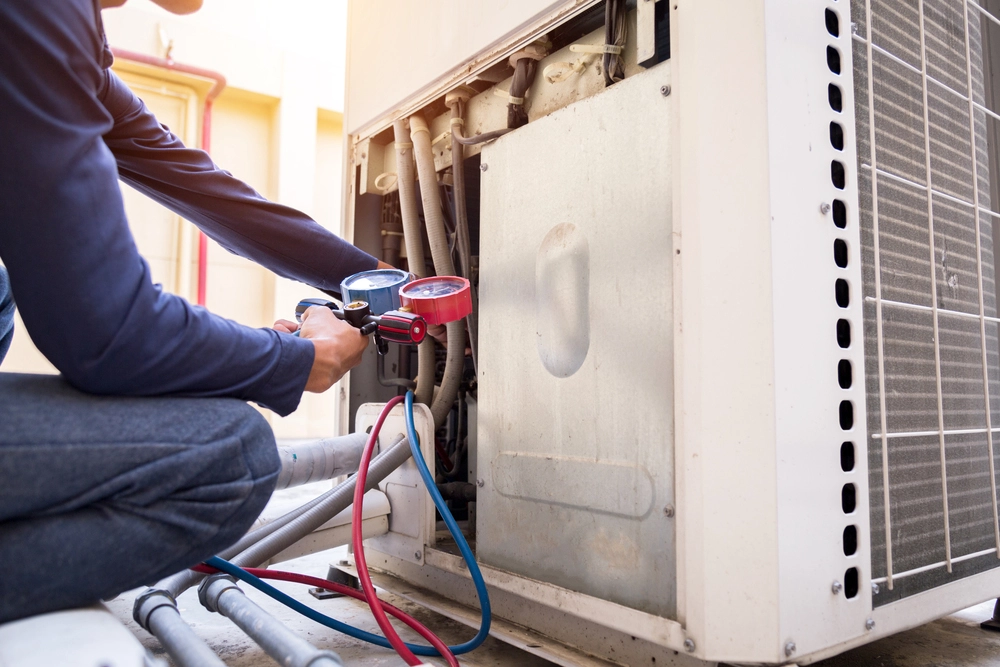
“After years of working on systems across Clermont, the most preventable failures I see all start the same way—skipped maintenance. The damage doesn’t happen overnight; it builds quietly in the humidity, the pollen, and the long run times. A simple annual tune-up is often the difference between a system that lasts its full lifespan and one that fails years too soon.”
The Essential Resources Every Clermont Homeowner Needs Before Scheduling an HVAC Tune-Up
1. Understand What a Proper Florida Tune-Up Really Looks Like
Before you invite anyone to work on your system, you should know exactly what a thorough tune-up includes. This guide breaks down the essential steps reputable pros follow in Florida’s heavy-humidity climate—so you can protect your home from corner-cutting repairs.
2. A Technician-Level Checklist You Can Trust
This pro-grade maintenance checklist lets you see behind the scenes of a true HVAC tune-up. It empowers you to compare what your technician should be doing versus what actually happens during the visit.
3. ENERGY STAR – National Standards for Safe, Efficient HVAC Care
ENERGY STAR’s maintenance guidelines offer a dependable benchmark for system safety and performance. It’s a go-to resource when you want unbiased, expert-backed recommendations.
URL: https://www.energystar.gov/saveathome/heating-cooling/maintenance-checklist
4. A Full Annual Tune-Up Checklist to Compare Against Your Service
Use this checklist to hold your technician accountable. It explains airflow testing, coil cleaning, safety inspection steps, and the electrical checks needed to keep your system running smoothly through Clermont’s long cooling season.
5. Florida-Focused HVAC Tasks Every Homeowner Should Know
This resource breaks down monthly, seasonal, and annual maintenance needs specific to Florida’s heat, humidity, and pollen. It clearly outlines what you can safely handle yourself—and when calling a pro is the smarter, safer choice.
6. A Clear Look at What HVAC Maintenance Should Cost
If you’ve ever wondered whether a tune-up quote is fair, this guide helps you decode pricing. It explains what drives costs, what’s considered standard, and how routine maintenance can actually prevent big-ticket repairs down the road.
7. The Long-Term Payoff of Consistent HVAC Care
This expert-backed checklist explains why routine maintenance isn’t just a “nice to have”—it’s a system lifesaver. Learn how consistent care boosts efficiency, reduces surprise breakdowns, and helps your HVAC system stand up to Clermont’s demanding climate.
Supporting Statistics: Fast, Data-Backed Proof Your HVAC Needs Regular Tune-Ups
1. HVAC Uses 52% of Your Home’s Energy
The U.S. EIA reports 52% of a home’s total energy use goes to heating and cooling.
In our Clermont fieldwork, most of that waste comes from systems fighting humidity, dirt, and worn components because tune-ups were skipped.
Source: https://www.eia.gov/energyexplained/use-of-energy/homes.php
2. Nearly Half of Your Annual Energy Costs Rely on HVAC Efficiency
ENERGY STAR notes almost half of the average $2,200 yearly energy bill goes toward heating and cooling.
We consistently see Clermont homeowners spend more during long cooling seasons when minor issues—like airflow restrictions or low refrigerant—go unchecked.
Source: https://www.energystar.gov/sites/default/files/asset/document/HeatingCoolingGuide%20FINAL_9-4-09_0.pdf
3. $200–$400 of Energy Is Wasted Each Year by Inefficient Systems
The U.S. Department of Energy estimates $200–$400 in annual energy waste due to leaks, aging components, and neglected equipment.
In our experience, this number climbs in Clermont because humidity accelerates coil corrosion and airflow loss.
Source: https://www.energy.gov/energysaver/why-energy-efficiency-matters
Final Thought & Opinion
After years of servicing systems in Clermont, one pattern stands out:
Skipping a tune-up always costs more in the long run.
What We See in the Field
Small issues (dirt, low refrigerant, weak electrical components) turn into big repairs when unchecked.
Humidity, pollen, and long run times strain Clermont systems faster than most homeowners realize.
Well-maintained systems—no matter their age—run smoother, last longer, and break down far less.
Why Tune-Ups Matter Here
Clermont’s climate accelerates wear on coils, motors, and compressors.
A yearly tune-up protects the most overworked and expensive equipment in your home.
Preventative care consistently saves homeowners money, stress, and unexpected downtime.
Our Take
If you’ve been putting it off, here’s the simple truth:
A routine tune-up is the easiest, highest-impact step you can take to protect your HVAC system and your comfort.
Next Steps: What to Do Now
1. Schedule a Professional Tune-Up
Book your annual HVAC tune-up before peak season.
Prevent hidden issues from turning into major repairs.
2. Use a Technician Checklist
Compare your tech’s work to a pro-level checklist.
Ensure coils, refrigerant, airflow, and electrical parts are fully inspected.
3. Replace Your Air Filter
Change air filters every 30–90 days.
Increase frequency during high-pollen months.
4. Watch Your Energy Bills
Look for unexplained increases.
Rising costs often signal system strain.
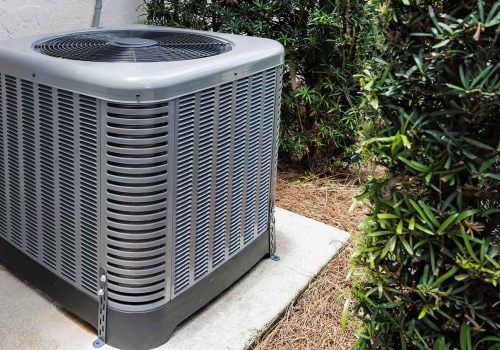
5. Clear the Outdoor Unit Area
Maintain 2–3 feet of open space around the condenser.
Remove leaves, debris, or overgrown plants.
6. Set a Seasonal Maintenance Reminder
Add a spring tune-up to your calendar each year.
Consistency protects system lifespan.
7. Keep Learning & Stay Proactive
Review the resources above.
Understand what quality HVAC care should include.
FAQ on “HVAC Tune Up in Clermont”
Q: How often should I get an HVAC tune-up?
A: Once a year. Clermont’s humidity and long cooling season speed up system wear.
Q: What should a proper tune-up include?
A:
Coil cleaning
Refrigerant check
Airflow testing
Electrical inspection
Thermostat calibration
Safety controls check
Q: Why are tune-ups more important in Clermont?
A: Humidity, pollen, and long run times cause faster corrosion, dirt buildup, and airflow loss.
Q: Can a tune-up lower my energy bill?
A: Yes. Fixing airflow, refrigerant levels, and dirty coils often improves efficiency immediately.
Q: What are the early signs I need a tune-up?
A:
Higher energy bills
Longer cooling cycles
Weak airflow
Strange noises
Musty odors
Here is the nearest branch location serving the Kendall FL area…
Filterbuy HVAC Solutions - Miami FL
1300 S Miami Ave Unit 4806, Miami, FL 33130
(305) 306-5027